
Design Notebook #1
What Makes Architectural Design Special?
Written by a second-year architecture student determined to understand the impact and potential of our built environment.
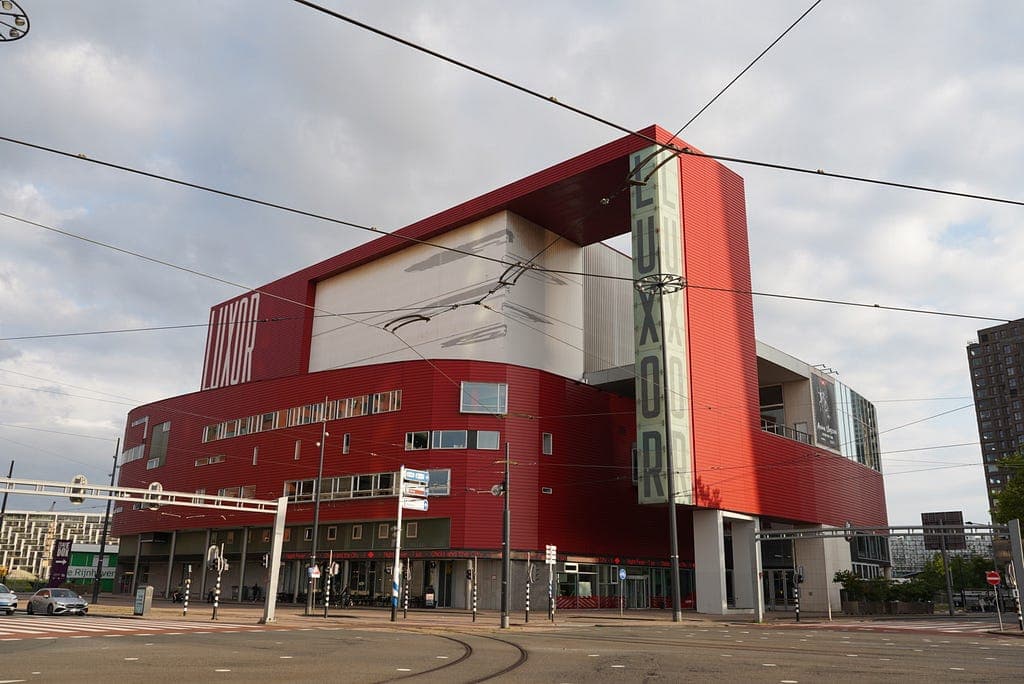
Now that I’ve had my foot in the door for an entire academic year, I can somewhat develop into words the exact feeling I had when I decided to study architecture. The bottom line is that architecture is a “discipline that consists of all other disciplines” (a line I borrowed from Professor Perry Kulper), and that architectural design is — much to the oblivion of the usual non-architect — a part of every society, community, and individual human. I am simply in awe of the compelling nature of architecture: there is no other form of discipline in this world that can take stories, societal problems, or pieces of history, turn them into something functional yet beautiful, and cement them into the daily lives of every single person on the planet.
Architecture is a reflection of us; it is sensory, perceivable, and experiential, thus capable of generating emotions.
Architects induce emotions by design. I used to think that an architect’s daily routine only consisted of drawing, rendering, talking to clients and subcontractors, and working with engineers. But after two architectural history courses and one study abroad, I’ve become amazed by the amount of thought architects put into the details of their projects, all to establish a connection between the space and the person experiencing it.
Here’s an example to put everything so far into perspective. The American Dream has penetrated the hearts of countless men and women of this world. When we think of America’s conventional definition of success, we picture skyscrapers, lively first-world cities, large production facilities, fancy fine dining restaurants, well-furnished corporate offices… the list goes on. Historically, skyscrapers were made possible due to the introduction of steel-frame construction during the American Industrial Revolution. National power is conveyed through the idea of innovation and productivity, and this architecture serves as a daily reminder of such power. The architecture of America’s biggest cities sells the American Dream, which is why people keep flocking to cities like New York and Los Angeles. It’s not hard to design something that people will find beautiful. Heck, even AI can generate something people find aesthetically pleasing. How to make people love and remember a space is beyond the aesthetic, so some architects spend a lifetime trying to give birth to powerful architecture, something that is purposeful.
Purpose in design is such a broad term, and it has no definitive answer. It’s like trying to seek a purpose in life — that path is different for everyone. Architecture is a tool and a product; it’s both an input and an output. What I mean by that is, architecture serves the very human purpose of supporting our livelihoods and the productivity of society. But like previously mentioned, it can reflect society, but also generate conversation and inspire further questions. The Fenix Museum in Rotterdam justifies my contention: MAD Architects turned a dilapidated warehouse into a migration museum and a community hub. The iconic steel tornado that penetrates the center of the museum not only acts as a viewpoint that overlooks Rotterdam, but also as a symbolic representation of “unexpected journeys” that migrants had to take. The Fenix museum is the output of a museum renovation project, but an input to the question, “How can Rotterdam preserve its migration history?”
That’s one of many reasons why I love architecture.